Digityal marketing

Digital Marketing: A Complete Guide to Strategies, Benefits & Trends in 2025 – Copy

In today’s hyper-connected world, digital marketing has become the backbone of business growth. Whether you’re a small startup or a large corporation, reaching your customers online is no longer optional – it’s essential. With over 5 billion people using the internet globally, businesses need to adopt digital marketing strategies to connect with their target audience, build trust, and increase sales.

In this blog, we’ll explore what digital marketing is, why it matters, the most effective strategies in 2025, and the trends shaping the future of online business.

What is Digital Marketing?

Digital marketing refers to all online marketing efforts that businesses use to promote their products or services. Unlike traditional marketing (TV, print, billboards), digital marketing leverages digital channels such as:

  • Search engines (Google, Bing)
  • Social media (Instagram, Facebook, LinkedIn, TikTok)
  • Websites & blogs
  • Email marketing
  • Online ads (Google Ads, Facebook Ads)

The main goal of digital marketing is to attract, engage, and convert potential customers through targeted campaigns.


Why Digital Marketing is Important in 2025

  1. Wider Reach – Businesses can target global audiences without geographical limits.
  2. Cost-Effective – Compared to traditional advertising, digital marketing offers higher ROI.
  3. Measurable Results – Tools like Google Analytics and Meta Ads Manager provide real-time insights.
  4. Customer Engagement – Brands can interact directly with customers through social media, emails, and chatbots.
  5. Personalization – AI and data analytics allow businesses to deliver personalized experiences.

Types of Digital Marketing Strategies

1. Search Engine Optimization (SEO)
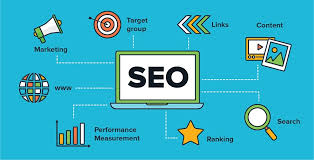
SEO is the process of optimizing a website to rank higher on search engines like Google. With 68% of online experiences starting with a search engine, SEO is one of the most powerful tools for long-term success.

Key SEO techniques:

  • Keyword research
  • On-page SEO (titles, meta tags, internal links)
  • Off-page SEO (backlinks, guest posts)
  • Technical SEO (site speed, mobile-friendliness)
  • Local SEO (Google Business Profile optimization)

2. Content Marketing

Content is still king. Businesses use blogs, videos, infographics, podcasts, and ebooks to attract and educate their audience. A well-planned content marketing strategy builds trust and establishes authority in the niche.

3. Social Media Marketing (SMM)
Platforms like Instagram, Facebook, LinkedIn, YouTube, and TikTok help businesses connect with customers. In 2025, short-form video content and live sessions dominate social media.

Benefits of SMM:

  • Brand awareness
  • Audience engagement
  • Lead generation
  • Customer support

4. Pay-Per-Click Advertising (PPC)

PPC ads (Google Ads, Facebook Ads) give instant visibility. Businesses bid on keywords, and ads appear to potential customers. The biggest advantage of PPC is its targeted reach and measurable ROI.

5. Email Marketing

Email remains one of the highest-converting channels. From newsletters to personalized offers, email marketing builds strong customer relationships. Automated email campaigns (welcome series, cart abandonment reminders) boost sales effectively.

6. Affiliate Marketing

Affiliate marketing allows businesses to partner with influencers and affiliates who promote products in exchange for a commission. It’s a low-risk, performance-based model that’s growing rapidly.

7. Influencer Marketing

Working with influencers helps brands reach niche audiences authentically. Micro-influencers (with 10k–100k followers) are especially effective in 2025 because of their high engagement rates.

8. Video Marketing

YouTube, Instagram Reels, and TikTok dominate digital marketing trends. Short, engaging, and storytelling-based video content drives massive conversions.

9. Mobile Marketing

With most users accessing the internet via smartphones, businesses must focus on mobile-friendly websites, SMS marketing, and app-based promotions.


Benefits of Digital Marketing

  1. Global Reach at Low Cost – Even small businesses can compete with big brands.
  2. Targeted Audience – Run ads for specific age groups, locations, or interests.
  3. Better Conversion Rates – Digital marketing campaigns are more conversion-friendly than traditional methods.
  4. Brand Credibility – Online reviews, testimonials, and social proof build trust.
  5. Real-Time Data – Businesses can track performance and adjust strategies instantly.

Latest Trends in Digital Marketing (2025)

  1. AI-Powered Marketing – AI tools like ChatGPT help in content creation, customer support, and personalized campaigns.
  2. Voice Search Optimization – With smart speakers, optimizing for voice queries is crucial.
  3. Interactive Content – Quizzes, polls, AR/VR experiences increase engagement.
  4. Privacy-First Marketing – With stricter data privacy laws, businesses must use ethical marketing practices.
  5. Sustainability Marketing – Eco-conscious branding attracts Gen Z and millennial audiences.
  6. Omnichannel Marketing – Businesses must provide seamless customer experiences across all channels.

How to Build a Digital Marketing Strategy

  1. Define Your Goals – Brand awareness, leads, or sales?
  2. Identify Target Audience – Create buyer personas.
  3. Choose Right Channels – Focus on platforms where your audience spends time.
  4. Create Valuable Content – Content should educate, entertain, or solve problems.
  5. Set Budget & Timeline – Allocate resources wisely.
  6. Track & Optimize – Use analytics to measure success and make improvements.

Future of Digital Marketing

The future of digital marketing lies in personalization, automation, and customer experience. AI-driven tools, AR shopping experiences, and immersive content will redefine how businesses interact with customers. Brands that adapt to these trends will stay ahead of the competition.


Conclusion

Digital marketing is no longer just an option – it’s a necessity for business survival and growth. From SEO and content marketing to social media and AI-driven campaigns, the opportunities are endless.

Digityal marketing

Digital Marketing: A Complete Guide to Strategies, Benefits & Trends in 2025

In today’s hyper-connected world, digital marketing has become the backbone of business growth. Whether you’re a small startup or a large corporation, reaching your customers online is no longer optional – it’s essential. With over 5 billion people using the internet globally, businesses need to adopt digital marketing strategies to connect with their target audience, build trust, and increase sales.

In this blog, we’ll explore what digital marketing is, why it matters, the most effective strategies in 2025, and the trends shaping the future of online business.


What is Digital Marketing?

Digital marketing refers to all online marketing efforts that businesses use to promote their products or services. Unlike traditional marketing (TV, print, billboards), digital marketing leverages digital channels such as:

  • Search engines (Google, Bing)
  • Social media (Instagram, Facebook, LinkedIn, TikTok)
  • Websites & blogs
  • Email marketing
  • Online ads (Google Ads, Facebook Ads)

The main goal of digital marketing is to attract, engage, and convert potential customers through targeted campaigns.


Why Digital Marketing is Important in 2025

  1. Wider Reach – Businesses can target global audiences without geographical limits.
  2. Cost-Effective – Compared to traditional advertising, digital marketing offers higher ROI.
  3. Measurable Results – Tools like Google Analytics and Meta Ads Manager provide real-time insights.
  4. Customer Engagement – Brands can interact directly with customers through social media, emails, and chatbots.
  5. Personalization – AI and data analytics allow businesses to deliver personalized experiences.

Types of Digital Marketing Strategies

1. Search Engine Optimization (SEO)

SEO is the process of optimizing a website to rank higher on search engines like Google. With 68% of online experiences starting with a search engine, SEO is one of the most powerful tools for long-term success.

Key SEO techniques:

  • Keyword research
  • On-page SEO (titles, meta tags, internal links)
  • Off-page SEO (backlinks, guest posts)
  • Technical SEO (site speed, mobile-friendliness)
  • Local SEO (Google Business Profile optimization)

2. Content Marketing

Content is still king. Businesses use blogs, videos, infographics, podcasts, and ebooks to attract and educate their audience. A well-planned content marketing strategy builds trust and establishes authority in the niche.

3. Social Media Marketing (SMM)

Platforms like Instagram, Facebook, LinkedIn, YouTube, and TikTok help businesses connect with customers. In 2025, short-form video content and live sessions dominate social media.

Benefits of SMM:

  • Brand awareness
  • Audience engagement
  • Lead generation
  • Customer support

4. Pay-Per-Click Advertising (PPC)

PPC ads (Google Ads, Facebook Ads) give instant visibility. Businesses bid on keywords, and ads appear to potential customers. The biggest advantage of PPC is its targeted reach and measurable ROI.

5. Email Marketing

Email remains one of the highest-converting channels. From newsletters to personalized offers, email marketing builds strong customer relationships. Automated email campaigns (welcome series, cart abandonment reminders) boost sales effectively.

6. Affiliate Marketing

Affiliate marketing allows businesses to partner with influencers and affiliates who promote products in exchange for a commission. It’s a low-risk, performance-based model that’s growing rapidly.

7. Influencer Marketing

Working with influencers helps brands reach niche audiences authentically. Micro-influencers (with 10k–100k followers) are especially effective in 2025 because of their high engagement rates.

8. Video Marketing

YouTube, Instagram Reels, and TikTok dominate digital marketing trends. Short, engaging, and storytelling-based video content drives massive conversions.

9. Mobile Marketing

With most users accessing the internet via smartphones, businesses must focus on mobile-friendly websites, SMS marketing, and app-based promotions.


Benefits of Digital Marketing

  1. Global Reach at Low Cost – Even small businesses can compete with big brands.
  2. Targeted Audience – Run ads for specific age groups, locations, or interests.
  3. Better Conversion Rates – Digital marketing campaigns are more conversion-friendly than traditional methods.
  4. Brand Credibility – Online reviews, testimonials, and social proof build trust.
  5. Real-Time Data – Businesses can track performance and adjust strategies instantly.

Latest Trends in Digital Marketing (2025)

  1. AI-Powered Marketing – AI tools like ChatGPT help in content creation, customer support, and personalized campaigns.
  2. Voice Search Optimization – With smart speakers, optimizing for voice queries is crucial.
  3. Interactive Content – Quizzes, polls, AR/VR experiences increase engagement.
  4. Privacy-First Marketing – With stricter data privacy laws, businesses must use ethical marketing practices.
  5. Sustainability Marketing – Eco-conscious branding attracts Gen Z and millennial audiences.
  6. Omnichannel Marketing – Businesses must provide seamless customer experiences across all channels.

How to Build a Digital Marketing Strategy

  1. Define Your Goals – Brand awareness, leads, or sales?
  2. Identify Target Audience – Create buyer personas.
  3. Choose Right Channels – Focus on platforms where your audience spends time.
  4. Create Valuable Content – Content should educate, entertain, or solve problems.
  5. Set Budget & Timeline – Allocate resources wisely.
  6. Track & Optimize – Use analytics to measure success and make improvements.

Future of Digital Marketing

The future of digital marketing lies in personalization, automation, and customer experience. AI-driven tools, AR shopping experiences, and immersive content will redefine how businesses interact with customers. Brands that adapt to these trends will stay ahead of the competition.


Conclusion

Digital marketing is no longer just an option – it’s a necessity for business survival and growth. From SEO and content marketing to social media and AI-driven campaigns, the opportunities are endless.