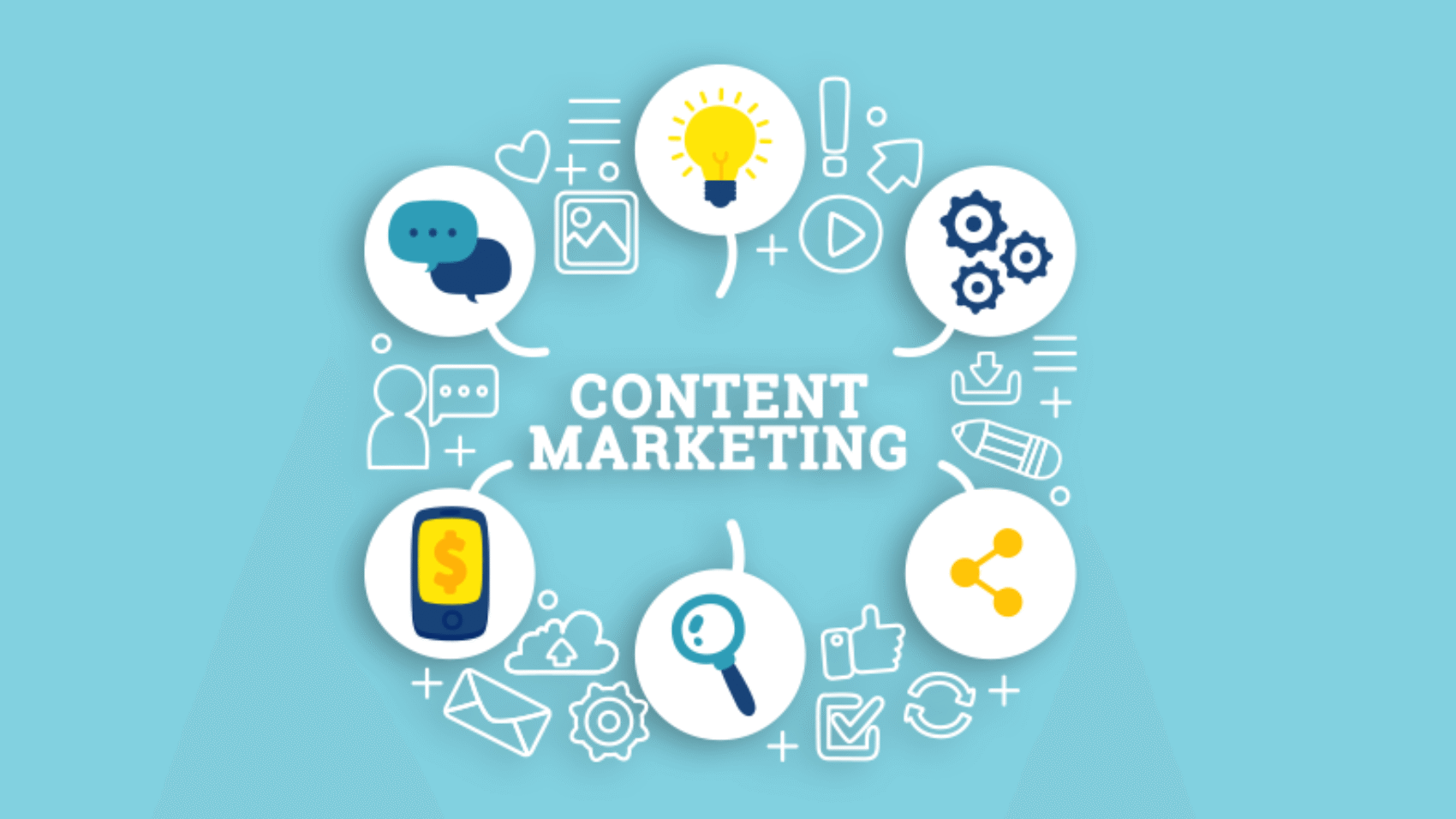
In the digital era, content marketing is no longer just a buzzword—it’s the driving force behind successful online businesses. Unlike traditional advertising, content marketing focuses on delivering value, storytelling, and connection to attract, engage, and convert audiences.
Whether you’re a startup, freelancer, or established brand, creating the right content can help you build trust, increase visibility, and boost sales. In this guide, we’ll explore what content marketing is, why it matters, the most effective strategies, and the trends shaping 2025.
What is Content Marketing?
Content marketing is a strategic approach to creating and distributing valuable, relevant, and consistent content to attract and engage a target audience. Instead of directly selling, it educates, entertains, and builds trust—leading customers naturally toward your products or services.
👉 Example: A fitness brand may share blogs on workout tips, Instagram Reels on exercises, and free diet guides. This builds trust before promoting its paid fitness program.
Why Content Marketing is Important in 2025
- Builds Trust & Authority – High-quality content positions your brand as an expert.
- Boosts SEO Rankings – Blogs, videos, and infographics improve visibility on Google.
- Generates Leads & Sales – Content guides customers through the buying journey.
- Supports Social Media – Content fuels engagement on Instagram, LinkedIn, YouTube, etc.
- Cost-Effective Marketing – Content continues to attract leads long after it’s published.
- Enhances Customer Relationships – Storytelling creates emotional bonds.
Types of Content Marketing
1. Blog Posts & Articles
Blogs help businesses share insights, rank for keywords, and drive organic traffic.
2. Video Marketing
Platforms like YouTube, Instagram Reels, and TikTok make video the most consumed format in 2025.
3. Social Media Content
Short-form posts, stories, and interactive content (polls, quizzes) build community.
4. Email Newsletters
Emails nurture leads with valuable tips, offers, and updates.
5. Infographics
Visual storytelling makes complex topics easy to understand and shareable.
6. Podcasts & Webinars
Long-form content builds deep connections and authority.
7. Ebooks & Whitepapers
Great for lead generation—people exchange emails for valuable resources.
8. User-Generated Content (UGC)
Customer reviews, testimonials, and shared posts increase credibility.
Steps to Build a Content Marketing Strategy
Step 1: Define Your Goals
Do you want brand awareness, leads, or sales? Clear goals guide your content.
Step 2: Know Your Audience
Create buyer personas—what problems do they face, and what content do they consume?
Step 3: Choose Content Types & Platforms
Blogs for SEO, Instagram Reels for engagement, YouTube for education, LinkedIn for B2B.
Step 4: Create Valuable Content
Content must educate, entertain, or inspire. Avoid overly salesy posts.
Step 5: Optimize for SEO
Use keywords, meta tags, headings, and internal links.
Step 6: Promote Your Content
Share across social media, email, and communities.
Step 7: Measure & Improve
Use Google Analytics, YouTube Analytics, and social insights to track performance.
Content Marketing Funnel (2025)
- Awareness Stage – Blogs, social posts, and videos to attract new users.
- Consideration Stage – Case studies, webinars, and comparison guides to build trust.
- Decision Stage – Testimonials, free trials, and demos to convert leads into customers.
Latest Trends in Content Marketing (2025)
- AI-Powered Content Creation – Tools like ChatGPT help create blogs, scripts, and captions.
- Short-Form Videos – Instagram Reels, TikTok, and YouTube Shorts dominate.
- Personalized Content – AI tailors recommendations for users.
- Interactive Content – Quizzes, polls, and AR/VR experiences.
- Story-Driven Branding – Customers prefer authentic storytelling over ads.
- Voice Search Optimization – Content tailored for conversational queries.
- Community-Led Marketing – Building loyal online communities around brands.
Benefits of Content Marketing
- Long-term ROI (content keeps working for years).
- Builds strong customer loyalty.
- Positions you as a thought leader.
- Creates opportunities for collaboration (guest posts, podcasts).
- Scales with your business growth.
Examples of Successful Content Marketing
- HubSpot – Blogs, free tools, and ebooks attract millions of visitors.
- Nike – Storytelling-based campaigns inspire and connect emotionally.
- Coca-Cola – Social campaigns with user-generated content.
- Airbnb – Blogs and videos showcasing real customer experiences.
Common Mistakes to Avoid
❌ Creating content without strategy.
❌ Focusing only on selling, not adding value.
❌ Ignoring SEO optimization.
❌ Inconsistent posting schedule.
❌ Not repurposing content (blogs into reels, reels into blogs).
Conclusion
Content marketing is more than just posting blogs or videos—it’s about delivering consistent value, building trust, and guiding customers through their journey. In 2025, businesses that combine authentic storytelling with modern tools like AI and video marketing will dominate.
Sasi, do you also want me to create a content marketing calendar template (monthly plan) that you can share with your audience or even use for your Instagram growth?