Digityal marketing

Digital Marketing: A Complete Guide to Strategies, Benefits & Trends in 2025 – Copy

In today’s hyper-connected world, digital marketing has become the backbone of business growth. Whether you’re a small startup or a large corporation, reaching your customers online is no longer optional – it’s essential. With over 5 billion people using the internet globally, businesses need to adopt digital marketing strategies to connect with their target audience, build trust, and increase sales.

In this blog, we’ll explore what digital marketing is, why it matters, the most effective strategies in 2025, and the trends shaping the future of online business.

What is Digital Marketing?

Digital marketing refers to all online marketing efforts that businesses use to promote their products or services. Unlike traditional marketing (TV, print, billboards), digital marketing leverages digital channels such as:

  • Search engines (Google, Bing)
  • Social media (Instagram, Facebook, LinkedIn, TikTok)
  • Websites & blogs
  • Email marketing
  • Online ads (Google Ads, Facebook Ads)

The main goal of digital marketing is to attract, engage, and convert potential customers through targeted campaigns.


Why Digital Marketing is Important in 2025

  1. Wider Reach – Businesses can target global audiences without geographical limits.
  2. Cost-Effective – Compared to traditional advertising, digital marketing offers higher ROI.
  3. Measurable Results – Tools like Google Analytics and Meta Ads Manager provide real-time insights.
  4. Customer Engagement – Brands can interact directly with customers through social media, emails, and chatbots.
  5. Personalization – AI and data analytics allow businesses to deliver personalized experiences.

Types of Digital Marketing Strategies

1. Search Engine Optimization (SEO)
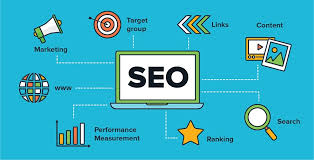
SEO is the process of optimizing a website to rank higher on search engines like Google. With 68% of online experiences starting with a search engine, SEO is one of the most powerful tools for long-term success.

Key SEO techniques:

  • Keyword research
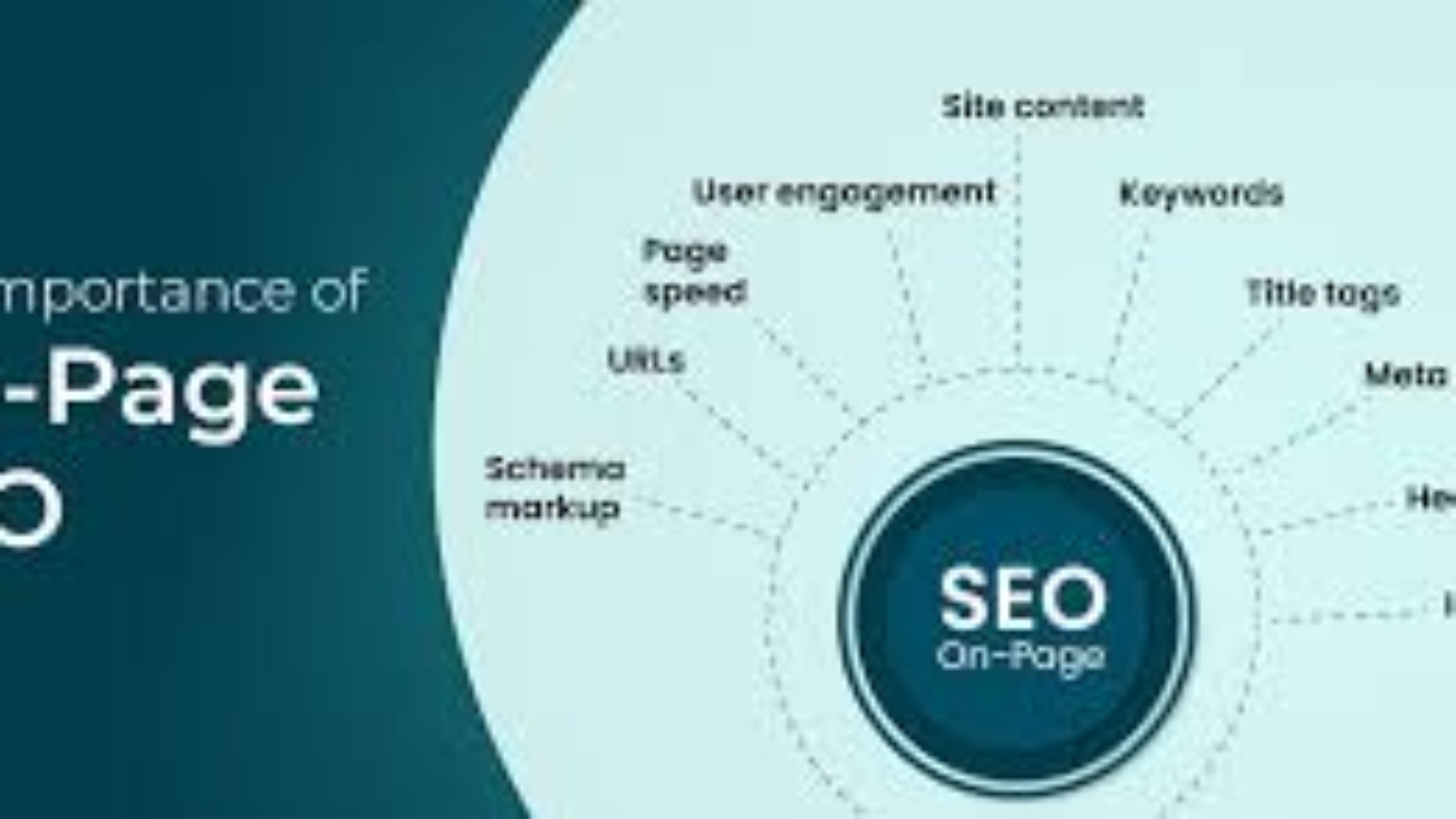
  • On-page SEO (titles, meta tags, internal links)
  • Off-page SEO (backlinks, guest posts)
  • Technical SEO (site speed, mobile-friendliness)
  • Local SEO (Google Business Profile optimization)

2. Content Marketing

Content is still king. Businesses use blogs, videos, infographics, podcasts, and ebooks to attract and educate their audience. A well-planned content marketing strategy builds trust and establishes authority in the niche.

3. Social Media Marketing (SMM)
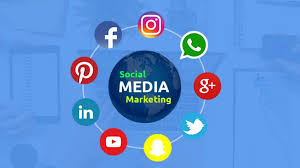
Platforms like Instagram, Facebook, LinkedIn, YouTube, and TikTok help businesses connect with customers. In 2025, short-form video content and live sessions dominate social media.

Benefits of SMM:

  • Brand awareness
  • Audience engagement
  • Lead generation
  • Customer support

4. Pay-Per-Click Advertising (PPC)

PPC ads (Google Ads, Facebook Ads) give instant visibility. Businesses bid on keywords, and ads appear to potential customers. The biggest advantage of PPC is its targeted reach and measurable ROI.

5. Email Marketing

Email remains one of the highest-converting channels. From newsletters to personalized offers, email marketing builds strong customer relationships. Automated email campaigns (welcome series, cart abandonment reminders) boost sales effectively.

6. Affiliate Marketing

Affiliate marketing allows businesses to partner with influencers and affiliates who promote products in exchange for a commission. It’s a low-risk, performance-based model that’s growing rapidly.

7. Influencer Marketing

Working with influencers helps brands reach niche audiences authentically. Micro-influencers (with 10k–100k followers) are especially effective in 2025 because of their high engagement rates.

8. Video Marketing

YouTube, Instagram Reels, and TikTok dominate digital marketing trends. Short, engaging, and storytelling-based video content drives massive conversions.

9. Mobile Marketing

With most users accessing the internet via smartphones, businesses must focus on mobile-friendly websites, SMS marketing, and app-based promotions.


Benefits of Digital Marketing

  1. Global Reach at Low Cost – Even small businesses can compete with big brands.
  2. Targeted Audience – Run ads for specific age groups, locations, or interests.
  3. Better Conversion Rates – Digital marketing campaigns are more conversion-friendly than traditional methods.
  4. Brand Credibility – Online reviews, testimonials, and social proof build trust.
  5. Real-Time Data – Businesses can track performance and adjust strategies instantly.

Latest Trends in Digital Marketing (2025)

  1. AI-Powered Marketing – AI tools like ChatGPT help in content creation, customer support, and personalized campaigns.
  2. Voice Search Optimization – With smart speakers, optimizing for voice queries is crucial.
  3. Interactive Content – Quizzes, polls, AR/VR experiences increase engagement.
  4. Privacy-First Marketing – With stricter data privacy laws, businesses must use ethical marketing practices.
  5. Sustainability Marketing – Eco-conscious branding attracts Gen Z and millennial audiences.
  6. Omnichannel Marketing – Businesses must provide seamless customer experiences across all channels.

How to Build a Digital Marketing Strategy

  1. Define Your Goals – Brand awareness, leads, or sales?
  2. Identify Target Audience – Create buyer personas.
  3. Choose Right Channels – Focus on platforms where your audience spends time.
  4. Create Valuable Content – Content should educate, entertain, or solve problems.
  5. Set Budget & Timeline – Allocate resources wisely.
  6. Track & Optimize – Use analytics to measure success and make improvements.

Future of Digital Marketing

The future of digital marketing lies in personalization, automation, and customer experience. AI-driven tools, AR shopping experiences, and immersive content will redefine how businesses interact with customers. Brands that adapt to these trends will stay ahead of the competition.


Conclusion

Digital marketing is no longer just an option – it’s a necessity for business survival and growth. From SEO and content marketing to social media and AI-driven campaigns, the opportunities are endless.
content marketing

Content Marketing in 2025: Strategies, Benefits & Trends to Grow Your Business

In the digital era, content marketing is no longer just a buzzword—it’s the driving force behind successful online businesses. Unlike traditional advertising, content marketing focuses on delivering value, storytelling, and connection to attract, engage, and convert audiences.

Whether you’re a startup, freelancer, or established brand, creating the right content can help you build trust, increase visibility, and boost sales. In this guide, we’ll explore what content marketing is, why it matters, the most effective strategies, and the trends shaping 2025.


What is Content Marketing?

Content marketing is a strategic approach to creating and distributing valuable, relevant, and consistent content to attract and engage a target audience. Instead of directly selling, it educates, entertains, and builds trust—leading customers naturally toward your products or services.

👉 Example: A fitness brand may share blogs on workout tips, Instagram Reels on exercises, and free diet guides. This builds trust before promoting its paid fitness program.


Why Content Marketing is Important in 2025

  1. Builds Trust & Authority – High-quality content positions your brand as an expert.
  2. Boosts SEO Rankings – Blogs, videos, and infographics improve visibility on Google.
  3. Generates Leads & Sales – Content guides customers through the buying journey.
  4. Supports Social Media – Content fuels engagement on Instagram, LinkedIn, YouTube, etc.
  5. Cost-Effective Marketing – Content continues to attract leads long after it’s published.
  6. Enhances Customer Relationships – Storytelling creates emotional bonds.

Types of Content Marketing

1. Blog Posts & Articles

Blogs help businesses share insights, rank for keywords, and drive organic traffic.

2. Video Marketing

Platforms like YouTube, Instagram Reels, and TikTok make video the most consumed format in 2025.

3. Social Media Content

Short-form posts, stories, and interactive content (polls, quizzes) build community.

4. Email Newsletters

Emails nurture leads with valuable tips, offers, and updates.

5. Infographics

Visual storytelling makes complex topics easy to understand and shareable.

6. Podcasts & Webinars

Long-form content builds deep connections and authority.

7. Ebooks & Whitepapers

Great for lead generation—people exchange emails for valuable resources.

8. User-Generated Content (UGC)

Customer reviews, testimonials, and shared posts increase credibility.


Steps to Build a Content Marketing Strategy

Step 1: Define Your Goals

Do you want brand awareness, leads, or sales? Clear goals guide your content.

Step 2: Know Your Audience

Create buyer personas—what problems do they face, and what content do they consume?

Step 3: Choose Content Types & Platforms

Blogs for SEO, Instagram Reels for engagement, YouTube for education, LinkedIn for B2B.

Step 4: Create Valuable Content

Content must educate, entertain, or inspire. Avoid overly salesy posts.

Step 5: Optimize for SEO

Use keywords, meta tags, headings, and internal links.

Step 6: Promote Your Content

Share across social media, email, and communities.

Step 7: Measure & Improve

Use Google Analytics, YouTube Analytics, and social insights to track performance.


Content Marketing Funnel (2025)

  1. Awareness Stage – Blogs, social posts, and videos to attract new users.
  2. Consideration Stage – Case studies, webinars, and comparison guides to build trust.
  3. Decision Stage – Testimonials, free trials, and demos to convert leads into customers.

Latest Trends in Content Marketing (2025)

  1. AI-Powered Content Creation – Tools like ChatGPT help create blogs, scripts, and captions.
  2. Short-Form Videos – Instagram Reels, TikTok, and YouTube Shorts dominate.
  3. Personalized Content – AI tailors recommendations for users.
  4. Interactive Content – Quizzes, polls, and AR/VR experiences.
  5. Story-Driven Branding – Customers prefer authentic storytelling over ads.
  6. Voice Search Optimization – Content tailored for conversational queries.
  7. Community-Led Marketing – Building loyal online communities around brands.

Benefits of Content Marketing

  1. Long-term ROI (content keeps working for years).
  2. Builds strong customer loyalty.
  3. Positions you as a thought leader.
  4. Creates opportunities for collaboration (guest posts, podcasts).
  5. Scales with your business growth.

Examples of Successful Content Marketing

  • HubSpot – Blogs, free tools, and ebooks attract millions of visitors.
  • Nike – Storytelling-based campaigns inspire and connect emotionally.
  • Coca-Cola – Social campaigns with user-generated content.
  • Airbnb – Blogs and videos showcasing real customer experiences.

Common Mistakes to Avoid

❌ Creating content without strategy.
❌ Focusing only on selling, not adding value.
❌ Ignoring SEO optimization.
❌ Inconsistent posting schedule.
❌ Not repurposing content (blogs into reels, reels into blogs).


Conclusion

Content marketing is more than just posting blogs or videos—it’s about delivering consistent value, building trust, and guiding customers through their journey. In 2025, businesses that combine authentic storytelling with modern tools like AI and video marketing will dominate.


Sasi, do you also want me to create a content marketing calendar template (monthly plan) that you can share with your audience or even use for your Instagram growth?

seo on page

A Complete Guide to Ranking Higher on Google and Growing Your Business

In the digital age, having a website is not enough. With millions of websites competing for attention, SEO (Search Engine Optimization) has become the backbone of online success. SEO helps businesses rank higher in search results, attract more traffic, and build trust with customers.

In this guide, we’ll cover what SEO is, why it matters, types of SEO, proven strategies, and the latest trends in 2025 that can help your website stay ahead of the competition.


What is SEO?

SEO (Search Engine Optimization) is the process of optimizing your website and online content so that it ranks higher in search engines like Google, Bing, and Yahoo.

The goal is to attract organic (unpaid) traffic by making your website relevant, valuable, and user-friendly.

👉 Example: If you own a bakery in Hyderabad, SEO can help your website show up when someone searches “best bakery near me” or “custom cakes in Hyderabad.”


Why SEO is Important in 2025

  1. Increases Visibility – A top ranking means more people discover your brand.
  2. Drives Organic Traffic – Unlike paid ads, SEO brings free, long-term traffic.
  3. Builds Credibility – People trust websites that rank on the first page.
  4. Better ROI – SEO is more cost-effective compared to traditional ads.
  5. Competitive Edge – Helps small businesses compete with bigger brands.
  6. Supports Business Growth – More traffic = more leads and conversions.

According to research, 75% of users never go beyond the first page of Google results. That’s why SEO is critical for every business.


Types of SEO

1. On-Page SEO

This is everything you do on your website to make it search-engine friendly.

  • Keyword optimization (titles, meta descriptions, headings, content)
  • Internal linking
  • Mobile-friendly design
  • Fast loading speed

2. Off-Page SEO

External factors that influence your ranking.

  • Backlinks (links from other websites to yours)
  • Guest posting
  • Social media engagement
  • Online reviews & mentions

3. Technical SEO

Backend improvements that help search engines crawl your site.

  • Website speed optimization
  • SSL certificate (HTTPS)
  • XML sitemap
  • Fixing broken links
  • Structured data (schema markup)

4. Local SEO

Helps businesses appear in location-based searches.

  • Optimizing Google Business Profile
  • Getting customer reviews
  • Local keywords (“best dentist in Bangalore”)

Core Elements of a Successful SEO Strategy

1. Keyword Research

Keywords are the foundation of SEO. Use tools like:

  • Google Keyword Planner
  • Ubersuggest
  • SEMrush
  • Ahrefs

Focus on:

  • Short-tail keywords (e.g., “SEO”) – High search volume, tough competition.
  • Long-tail keywords (e.g., “best SEO services in Hyderabad”) – Lower competition, higher conversions.

2. High-Quality Content

Google rewards websites that publish useful, original, and user-friendly content.

  • Blog posts
  • How-to guides
  • Videos
  • Infographics

Tip: Write content that answers customer questions and solves their problems.

3. On-Page Optimization

  • Use primary keywords in title, URL, and first paragraph.
  • Write SEO-friendly meta descriptions (under 160 characters).
  • Use H1, H2, H3 headings properly.
  • Add images with alt tags.
  • Link to other relevant pages (internal linking).

4. Link Building

Backlinks are like “votes of confidence.” The more quality websites linking to you, the higher your authority.
Ways to build backlinks:

  • Guest blogging
  • Partnerships
  • Submitting to directories
  • Creating shareable content (infographics, research studies)

5. Technical SEO Fixes

  • Improve site loading speed (Google recommends < 2.5 seconds).
  • Make your site mobile-responsive.
  • Fix crawl errors in Google Search Console.
  • Add schema markup to improve search snippets.

6. User Experience (UX)

Google values how users interact with your site.

  • Easy navigation
  • Clear CTAs (Call-to-Actions)
  • Secure browsing (HTTPS)
  • Relevant content without spam

BI1

A Complete Guide to Building a Strong and Memorable Brand in 2025

In today’s competitive marketplace, businesses need more than just great products or services to succeed—they need a strong brand identity. A well-crafted identity makes your brand memorable, builds trust, and creates emotional connections with your audience.

Whether you’re a small startup or a global company, defining your brand identity is crucial to long-term growth. In this article, we’ll explore what brand identity is, why it’s important, its key elements, and proven steps to build a powerful brand in 2025.


What is Brand Identity?

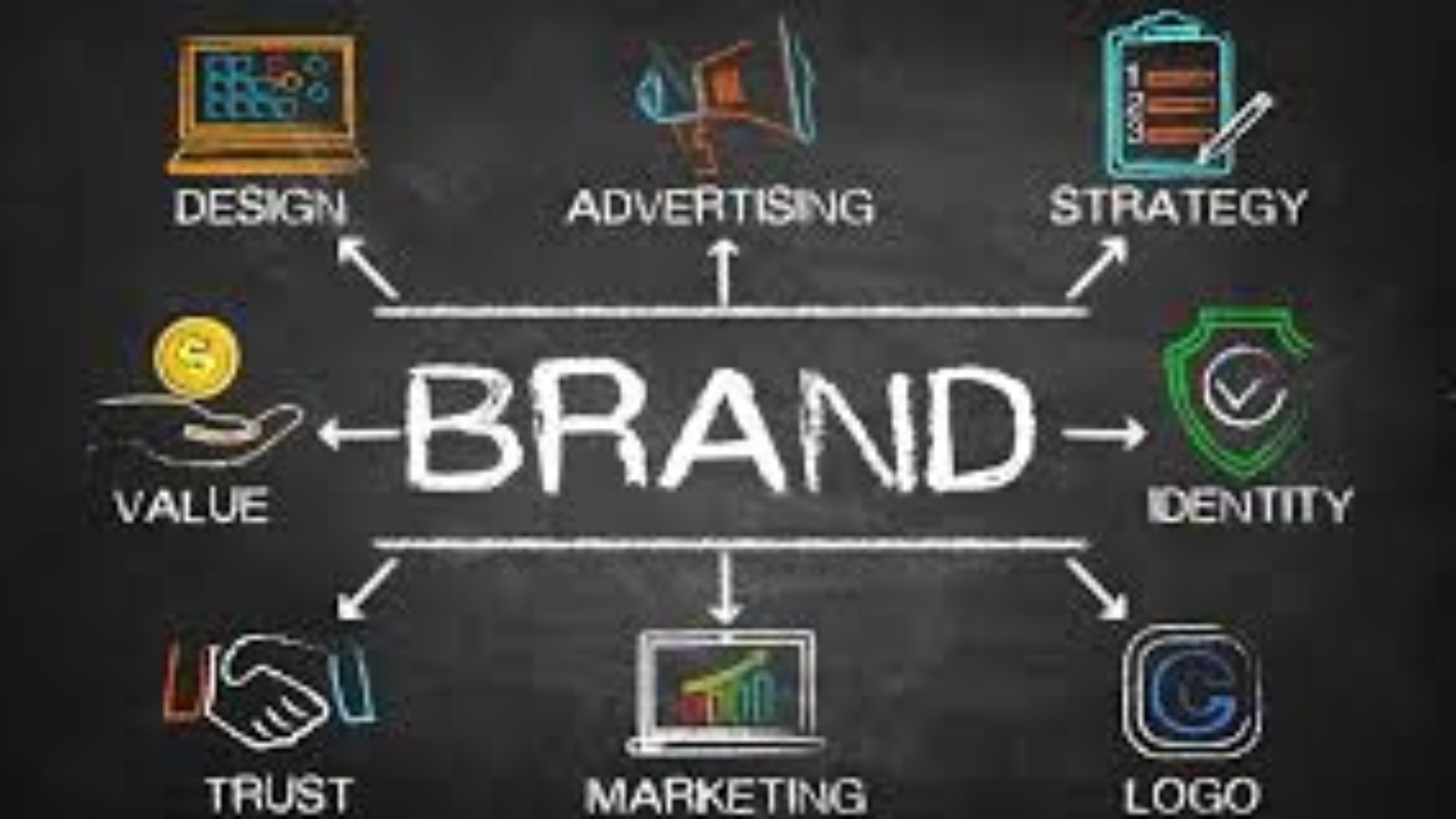
Brand identity is the collection of visual, verbal, and emotional elements that represent your business in the market. It’s how you present yourself to customers and how they perceive your brand.

It includes your logo, colors, typography, messaging, tone, values, and overall style. Simply put, it’s the face, voice, and personality of your brand.

👉 Example: When you see a bitten apple logo, you instantly recognize Apple. That’s brand identity at work.


Why is Brand Identity Important?

  1. Recognition & Recall – A consistent identity makes your brand instantly recognizable.
  2. Builds Trust – Customers are more likely to trust a brand with a professional, consistent image.
  3. Emotional Connection – Strong identities create lasting bonds with audiences.
  4. Competitive Advantage – Helps you stand out in crowded markets.
  5. Supports Marketing – All campaigns become more effective with a clear identity.
  6. Encourages Loyalty – Customers return to brands they connect with emotionally.

In 2025, when competition is fiercer than ever, brand identity is no longer optional—it’s essential.


Key Elements of Brand Identity

Building a strong identity requires focusing on multiple components:

1. Brand Name

Your brand name is the foundation of identity. It should be unique, easy to remember, and meaningful.

2. Logo

The logo is the visual symbol of your brand. It must be simple, versatile, and reflective of your values.

3. Color Palette

Colors trigger emotions. For example:

  • Blue = trust (Facebook, LinkedIn)
  • Red = energy, passion (Coca-Cola)
  • Green = growth, sustainability (Starbucks)

4. Typography

Fonts also express personality. A luxury brand may use elegant serif fonts, while a tech brand may prefer sleek sans-serif styles.

5. Tagline/Slogan

A memorable phrase that communicates your brand promise. Example: Nike – “Just Do It.”

6. Brand Voice & Tone

The way you communicate—professional, casual, motivational, or humorous.

7. Visual Style

Consistent use of design elements (images, icons, packaging, website layout).

8. Mission, Vision & Values

Your purpose and guiding principles shape how customers relate to you.

9. Customer Experience

Every interaction—online or offline—impacts how your brand is perceived.


Steps to Build a Strong Brand Identity

Step 1: Define Your Purpose and Values

Ask yourself: Why does my brand exist? What problem do I solve? What values do I stand for?

Step 2: Know Your Target Audience

Understand your audience’s needs, pain points, and lifestyle. Create buyer personas to guide your messaging.

Step 3: Research Your Competition

Analyze competitors to find gaps and opportunities. Aim to be different, not a copy.

Step 4: Create Your Brand Personality

Decide how you want people to feel when interacting with your brand—innovative, reliable, luxurious, or approachable.

Step 5: Design Visual Elements

Work on your logo, colors, typography, and design style. Consistency is key across all platforms.

Step 6: Develop a Brand Voice

Use language and tone that resonates with your target audience. Keep it consistent in ads, blogs, emails, and social posts.

Step 7: Tell Your Story

Share your journey, struggles, and purpose. Stories create emotional bonds that facts alone cannot.

Step 8: Stay Consistent

Ensure all touchpoints—social media, website, packaging, customer service—reflect your identity.

Step 9: Monitor & Evolve

Your brand identity should grow with your business and adapt to new market trends.


Examples of Strong Brand Identity

  1. Apple – Minimalist design, innovative products, premium experience.
  2. Coca-Cola – Red branding, happiness, joy, and global recall.
  3. Nike – Motivational, bold, focused on performance.
  4. Starbucks – Green logo, personalized experience, community-driven.
  5. Tesla – Futuristic, innovative, sustainable.

These brands prove that a strong identity creates a loyal community, not just customers.


Brand Identity vs. Brand Image vs. Brand Personality

  • Brand Identity – How you present your brand.
  • Brand Image – How customers actually perceive your brand.
  • Brand Personality – Human traits your brand reflects (fun, reliable, innovative, etc.).

👉 Together, these form the complete brand experience.


Trends in Brand Identity for 2025

  1. Minimalist Designs – Simple and clean visuals are dominating.
  2. Authenticity & Transparency – Customers prefer real, relatable brands.
  3. Sustainability Branding – Eco-friendly and ethical values attract Gen Z and Millennials.
  4. AI-Powered Branding – AI tools are helping brands personalize customer experiences.
  5. Inclusive Branding – Representing diverse communities in brand identity.

Common Mistakes to Avoid in Brand Identity

  1. Inconsistent use of logos, fonts, or colors.
  2. Copying competitors instead of standing out.
  3. Overcomplicated logos and visuals.
  4. Ignoring brand values in marketing.
  5. Not evolving with market trends.

Conclusion

A powerful brand identity is more than just a logo—it’s the soul of your business. It shapes how customers see you, trust you, and connect with you. By defining your values, designing strong visuals, and maintaining consistency across platforms, you can create a brand that not only stands out in 2025 but also lasts for years to come.

Digityal marketing

Digital Marketing: A Complete Guide to Strategies, Benefits & Trends in 2025

In today’s hyper-connected world, digital marketing has become the backbone of business growth. Whether you’re a small startup or a large corporation, reaching your customers online is no longer optional – it’s essential. With over 5 billion people using the internet globally, businesses need to adopt digital marketing strategies to connect with their target audience, build trust, and increase sales.

In this blog, we’ll explore what digital marketing is, why it matters, the most effective strategies in 2025, and the trends shaping the future of online business.


What is Digital Marketing?

Digital marketing refers to all online marketing efforts that businesses use to promote their products or services. Unlike traditional marketing (TV, print, billboards), digital marketing leverages digital channels such as:

  • Search engines (Google, Bing)
  • Social media (Instagram, Facebook, LinkedIn, TikTok)
  • Websites & blogs
  • Email marketing
  • Online ads (Google Ads, Facebook Ads)

The main goal of digital marketing is to attract, engage, and convert potential customers through targeted campaigns.


Why Digital Marketing is Important in 2025

  1. Wider Reach – Businesses can target global audiences without geographical limits.
  2. Cost-Effective – Compared to traditional advertising, digital marketing offers higher ROI.
  3. Measurable Results – Tools like Google Analytics and Meta Ads Manager provide real-time insights.
  4. Customer Engagement – Brands can interact directly with customers through social media, emails, and chatbots.
  5. Personalization – AI and data analytics allow businesses to deliver personalized experiences.

Types of Digital Marketing Strategies

1. Search Engine Optimization (SEO)

SEO is the process of optimizing a website to rank higher on search engines like Google. With 68% of online experiences starting with a search engine, SEO is one of the most powerful tools for long-term success.

Key SEO techniques:

  • Keyword research
  • On-page SEO (titles, meta tags, internal links)
  • Off-page SEO (backlinks, guest posts)
  • Technical SEO (site speed, mobile-friendliness)
  • Local SEO (Google Business Profile optimization)

2. Content Marketing

Content is still king. Businesses use blogs, videos, infographics, podcasts, and ebooks to attract and educate their audience. A well-planned content marketing strategy builds trust and establishes authority in the niche.

3. Social Media Marketing (SMM)

Platforms like Instagram, Facebook, LinkedIn, YouTube, and TikTok help businesses connect with customers. In 2025, short-form video content and live sessions dominate social media.

Benefits of SMM:

  • Brand awareness
  • Audience engagement
  • Lead generation
  • Customer support

4. Pay-Per-Click Advertising (PPC)

PPC ads (Google Ads, Facebook Ads) give instant visibility. Businesses bid on keywords, and ads appear to potential customers. The biggest advantage of PPC is its targeted reach and measurable ROI.

5. Email Marketing

Email remains one of the highest-converting channels. From newsletters to personalized offers, email marketing builds strong customer relationships. Automated email campaigns (welcome series, cart abandonment reminders) boost sales effectively.

6. Affiliate Marketing

Affiliate marketing allows businesses to partner with influencers and affiliates who promote products in exchange for a commission. It’s a low-risk, performance-based model that’s growing rapidly.

7. Influencer Marketing

Working with influencers helps brands reach niche audiences authentically. Micro-influencers (with 10k–100k followers) are especially effective in 2025 because of their high engagement rates.

8. Video Marketing

YouTube, Instagram Reels, and TikTok dominate digital marketing trends. Short, engaging, and storytelling-based video content drives massive conversions.

9. Mobile Marketing

With most users accessing the internet via smartphones, businesses must focus on mobile-friendly websites, SMS marketing, and app-based promotions.


Benefits of Digital Marketing

  1. Global Reach at Low Cost – Even small businesses can compete with big brands.
  2. Targeted Audience – Run ads for specific age groups, locations, or interests.
  3. Better Conversion Rates – Digital marketing campaigns are more conversion-friendly than traditional methods.
  4. Brand Credibility – Online reviews, testimonials, and social proof build trust.
  5. Real-Time Data – Businesses can track performance and adjust strategies instantly.

Latest Trends in Digital Marketing (2025)

  1. AI-Powered Marketing – AI tools like ChatGPT help in content creation, customer support, and personalized campaigns.
  2. Voice Search Optimization – With smart speakers, optimizing for voice queries is crucial.
  3. Interactive Content – Quizzes, polls, AR/VR experiences increase engagement.
  4. Privacy-First Marketing – With stricter data privacy laws, businesses must use ethical marketing practices.
  5. Sustainability Marketing – Eco-conscious branding attracts Gen Z and millennial audiences.
  6. Omnichannel Marketing – Businesses must provide seamless customer experiences across all channels.

How to Build a Digital Marketing Strategy

  1. Define Your Goals – Brand awareness, leads, or sales?
  2. Identify Target Audience – Create buyer personas.
  3. Choose Right Channels – Focus on platforms where your audience spends time.
  4. Create Valuable Content – Content should educate, entertain, or solve problems.
  5. Set Budget & Timeline – Allocate resources wisely.
  6. Track & Optimize – Use analytics to measure success and make improvements.

Future of Digital Marketing

The future of digital marketing lies in personalization, automation, and customer experience. AI-driven tools, AR shopping experiences, and immersive content will redefine how businesses interact with customers. Brands that adapt to these trends will stay ahead of the competition.


Conclusion

Digital marketing is no longer just an option – it’s a necessity for business survival and growth. From SEO and content marketing to social media and AI-driven campaigns, the opportunities are endless.