
In the digital age, having a website is not enough. With millions of websites competing for attention, SEO (Search Engine Optimization) has become the backbone of online success. SEO helps businesses rank higher in search results, attract more traffic, and build trust with customers.
In this guide, we’ll cover what SEO is, why it matters, types of SEO, proven strategies, and the latest trends in 2025 that can help your website stay ahead of the competition.
What is SEO?
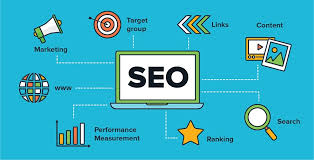
SEO (Search Engine Optimization) is the process of optimizing your website and online content so that it ranks higher in search engines like Google, Bing, and Yahoo.
The goal is to attract organic (unpaid) traffic by making your website relevant, valuable, and user-friendly.
👉 Example: If you own a bakery in Hyderabad, SEO can help your website show up when someone searches “best bakery near me” or “custom cakes in Hyderabad.”
Why SEO is Important in 2025
- Increases Visibility – A top ranking means more people discover your brand.
- Drives Organic Traffic – Unlike paid ads, SEO brings free, long-term traffic.
- Builds Credibility – People trust websites that rank on the first page.
- Better ROI – SEO is more cost-effective compared to traditional ads.
- Competitive Edge – Helps small businesses compete with bigger brands.
- Supports Business Growth – More traffic = more leads and conversions.
According to research, 75% of users never go beyond the first page of Google results. That’s why SEO is critical for every business.
Types of SEO
1. On-Page SEO

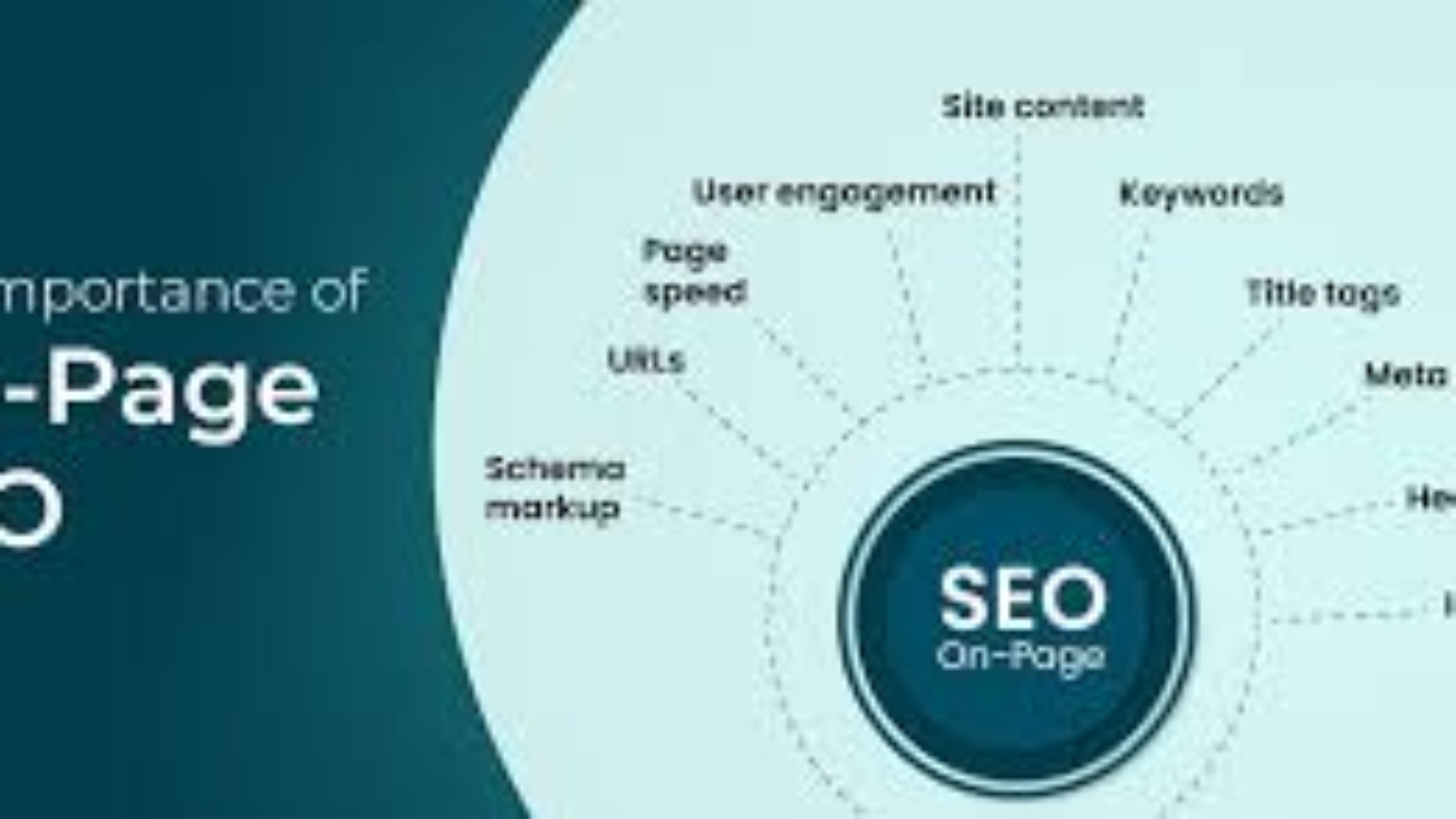
This is everything you do on your website to make it search-engine friendly.
- Keyword optimization (titles, meta descriptions, headings, content)
- Internal linking
- Mobile-friendly design
- Fast loading speed
2. Off-Page SEO
External factors that influence your ranking.
- Backlinks (links from other websites to yours)
- Guest posting
- Social media engagement
- Online reviews & mentions
3. Technical SEO
Backend improvements that help search engines crawl your site.
- Website speed optimization
- SSL certificate (HTTPS)
- XML sitemap
- Fixing broken links
- Structured data (schema markup)
4. Local SEO
Helps businesses appear in location-based searches.
- Optimizing Google Business Profile
- Getting customer reviews
- Local keywords (“best dentist in Bangalore”)
Core Elements of a Successful SEO Strategy
1. Keyword Research
Keywords are the foundation of SEO. Use tools like:
- Google Keyword Planner
- Ubersuggest
- SEMrush
- Ahrefs
Focus on:
- Short-tail keywords (e.g., “SEO”) – High search volume, tough competition.
- Long-tail keywords (e.g., “best SEO services in Hyderabad”) – Lower competition, higher conversions.
2. High-Quality Content
Google rewards websites that publish useful, original, and user-friendly content.
- Blog posts
- How-to guides
- Videos
- Infographics
Tip: Write content that answers customer questions and solves their problems.
3. On-Page Optimization
- Use primary keywords in title, URL, and first paragraph.
- Write SEO-friendly meta descriptions (under 160 characters).
- Use H1, H2, H3 headings properly.
- Add images with alt tags.
- Link to other relevant pages (internal linking).
4. Link Building
Backlinks are like “votes of confidence.” The more quality websites linking to you, the higher your authority.
Ways to build backlinks:
- Guest blogging
- Partnerships
- Submitting to directories
- Creating shareable content (infographics, research studies)
5. Technical SEO Fixes
- Improve site loading speed (Google recommends < 2.5 seconds).
- Make your site mobile-responsive.
- Fix crawl errors in Google Search Console.
- Add schema markup to improve search snippets.
6. User Experience (UX)
Google values how users interact with your site.
- Easy navigation
- Clear CTAs (Call-to-Actions)
- Secure browsing (HTTPS)
- Relevant content without spam