
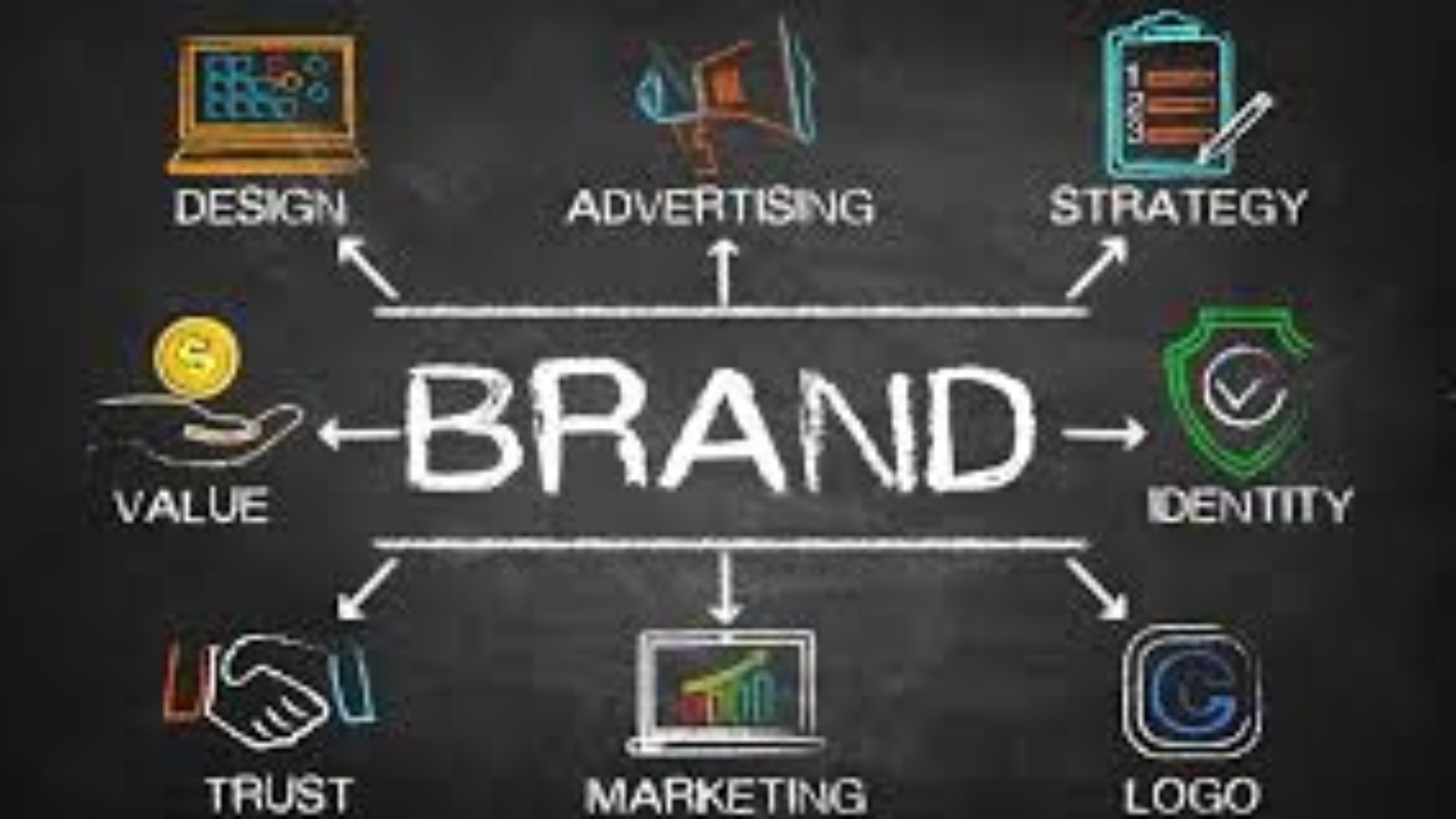
In today’s competitive marketplace, businesses need more than just great products or services to succeed—they need a strong brand identity. A well-crafted identity makes your brand memorable, builds trust, and creates emotional connections with your audience.
Whether you’re a small startup or a global company, defining your brand identity is crucial to long-term growth. In this article, we’ll explore what brand identity is, why it’s important, its key elements, and proven steps to build a powerful brand in 2025.

What is Brand Identity?
Brand identity is the collection of visual, verbal, and emotional elements that represent your business in the market. It’s how you present yourself to customers and how they perceive your brand.
It includes your logo, colors, typography, messaging, tone, values, and overall style. Simply put, it’s the face, voice, and personality of your brand.
👉 Example: When you see a bitten apple logo, you instantly recognize Apple. That’s brand identity at work.
Why is Brand Identity Important?
- Recognition & Recall – A consistent identity makes your brand instantly recognizable.
- Builds Trust – Customers are more likely to trust a brand with a professional, consistent image.
- Emotional Connection – Strong identities create lasting bonds with audiences.
- Competitive Advantage – Helps you stand out in crowded markets.
- Supports Marketing – All campaigns become more effective with a clear identity.
- Encourages Loyalty – Customers return to brands they connect with emotionally.
In 2025, when competition is fiercer than ever, brand identity is no longer optional—it’s essential.
Key Elements of Brand Identity
Building a strong identity requires focusing on multiple components:
1. Brand Name
Your brand name is the foundation of identity. It should be unique, easy to remember, and meaningful.
2. Logo
The logo is the visual symbol of your brand. It must be simple, versatile, and reflective of your values.
3. Color Palette
Colors trigger emotions. For example:
- Blue = trust (Facebook, LinkedIn)
- Red = energy, passion (Coca-Cola)
- Green = growth, sustainability (Starbucks)
4. Typography
Fonts also express personality. A luxury brand may use elegant serif fonts, while a tech brand may prefer sleek sans-serif styles.
5. Tagline/Slogan
A memorable phrase that communicates your brand promise. Example: Nike – “Just Do It.”
6. Brand Voice & Tone
The way you communicate—professional, casual, motivational, or humorous.
7. Visual Style
Consistent use of design elements (images, icons, packaging, website layout).
8. Mission, Vision & Values
Your purpose and guiding principles shape how customers relate to you.
9. Customer Experience
Every interaction—online or offline—impacts how your brand is perceived.
Steps to Build a Strong Brand Identity
Step 1: Define Your Purpose and Values
Ask yourself: Why does my brand exist? What problem do I solve? What values do I stand for?
Step 2: Know Your Target Audience
Understand your audience’s needs, pain points, and lifestyle. Create buyer personas to guide your messaging.
Step 3: Research Your Competition
Analyze competitors to find gaps and opportunities. Aim to be different, not a copy.
Step 4: Create Your Brand Personality
Decide how you want people to feel when interacting with your brand—innovative, reliable, luxurious, or approachable.
Step 5: Design Visual Elements
Work on your logo, colors, typography, and design style. Consistency is key across all platforms.
Step 6: Develop a Brand Voice
Use language and tone that resonates with your target audience. Keep it consistent in ads, blogs, emails, and social posts.
Step 7: Tell Your Story
Share your journey, struggles, and purpose. Stories create emotional bonds that facts alone cannot.
Step 8: Stay Consistent
Ensure all touchpoints—social media, website, packaging, customer service—reflect your identity.
Step 9: Monitor & Evolve
Your brand identity should grow with your business and adapt to new market trends.
Examples of Strong Brand Identity
- Apple – Minimalist design, innovative products, premium experience.
- Coca-Cola – Red branding, happiness, joy, and global recall.
- Nike – Motivational, bold, focused on performance.
- Starbucks – Green logo, personalized experience, community-driven.
- Tesla – Futuristic, innovative, sustainable.
These brands prove that a strong identity creates a loyal community, not just customers.
Brand Identity vs. Brand Image vs. Brand Personality
- Brand Identity – How you present your brand.
- Brand Image – How customers actually perceive your brand.
- Brand Personality – Human traits your brand reflects (fun, reliable, innovative, etc.).
👉 Together, these form the complete brand experience.
Trends in Brand Identity for 2025
- Minimalist Designs – Simple and clean visuals are dominating.
- Authenticity & Transparency – Customers prefer real, relatable brands.
- Sustainability Branding – Eco-friendly and ethical values attract Gen Z and Millennials.
- AI-Powered Branding – AI tools are helping brands personalize customer experiences.
- Inclusive Branding – Representing diverse communities in brand identity.
Common Mistakes to Avoid in Brand Identity
- Inconsistent use of logos, fonts, or colors.
- Copying competitors instead of standing out.
- Overcomplicated logos and visuals.
- Ignoring brand values in marketing.
- Not evolving with market trends.
Conclusion
A powerful brand identity is more than just a logo—it’s the soul of your business. It shapes how customers see you, trust you, and connect with you. By defining your values, designing strong visuals, and maintaining consistency across platforms, you can create a brand that not only stands out in 2025 but also lasts for years to come.